DEX in IT Routine: How Digital Experience-Driven Decisions Elevate Operational Quality and Results
In a scenario where IT teams face growing pressure to deliver positive business outcomes, relying solely on technical metrics is no longer enough. During the webinar held on March 26, 2026, Leandro Silva and Bob Kruger spoke about how Digital Employee Experience (DEX) — a tangible discipline supported by specialized tools — transforms IT decision-making, resource prioritization, and strategic value delivery for organizations.

What is Digital Employee Experience (DEX)?
Why Has DEX Become So Relevant for IT Teams?
DEX gained prominence during the COVID-19 pandemic when companies needed to sustain productivity for employees working remotely. It became clear that monitoring infrastructure health in isolation of employee devices was inadequate to understand if employees could actually perform their work.
Today, even with office returns and hybrid scenarios, DEX remains a cornerstone. It enables IT to analyze employee groups and departments. This aggregated view helps IT identify trends, anticipate issues, and act proactively before productivity suffers.
From Infrastructure to Experience: What Changes in IT Decisions?
Historically, IT focused on technical metrics — system availability, response times, CPU, and memory usage. This approach has value but leaves a key gap: it doesn’t connect the dots that reveal if employees can work effectively.
A DEX-based approach shifts IT’s lens to the end-user perspective. Instead of just checking if an app is running, it reveals the various other technology components that could be effecting the employee or groups of employees such as a team doing audits, conducting sales, etc. This enables swifter, more precise action. It also marks a paradigm shift from reactive to predictive, strategic operations.
Concrete Examples of DEX Data-Driven Decisions
The webinar featured practical cases illustrating DEX’s power in IT routines, using Collective IQ®:
- Pre-rollout software analysis: Evaluate success likelihood for IT-created or 3rd party software before making it available to employees, departments or groups. Reduce potential for trouble tickets and unnecessary helpdesk support.
- Video meeting issue diagnosis: Determine if devices need an upgrade or replacement, or improved WiFI, when Microsoft Teams quality is poor. Saves time and money while improving meeting experiences.
- Helpdesk prioritization: Collective IQ® identifies high impact issues based on patterns and trends, helping to guide support based on real data and not guesswork.
In each of these cases, Collective IQ® automatically connects myriad data points (devices, software, and more), detects patterns, and provides recommendations for a complete view of the digital environment from the employees’ perspective.
What Makes DEX Tools Unique Compared to Traditional Ones?
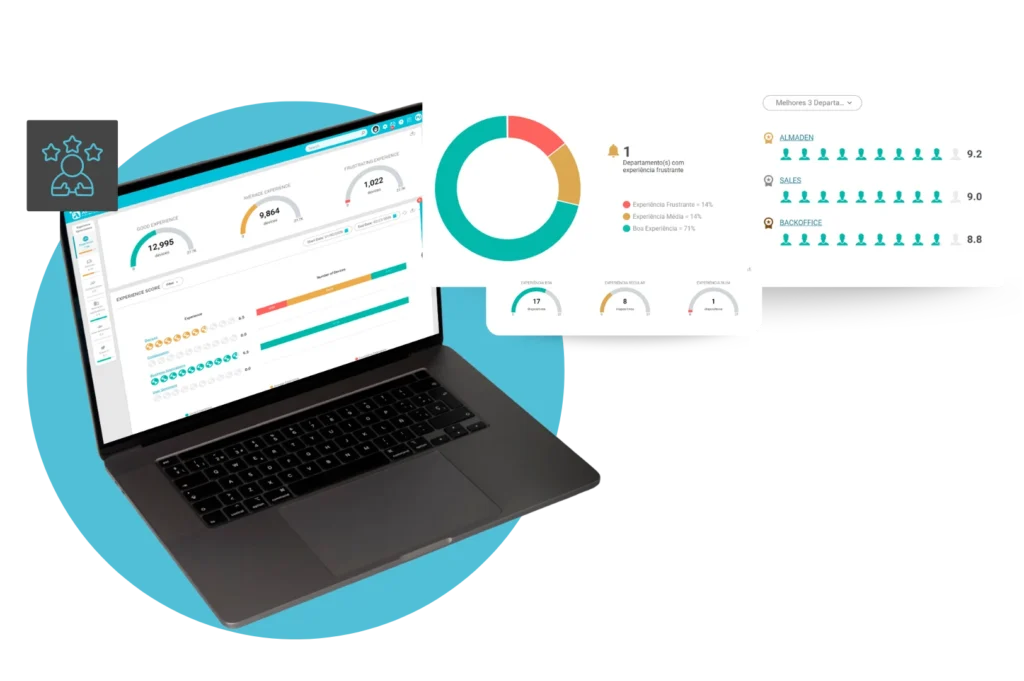
Traditional monitoring tools target infrastructure, such as desktops, servers, and networks. DEX tools, like Collective IQ®, expand this by integrating device, application, and usage behavior data into a unified analysis.
Key differentiators:
- Quick and uncomplicated analyses: Distills and presents complex data and relationships in a simplified manner which is easy to understand.
- Smart solutions: Detects patterns and recommends actions that save time and money.
- Beyond-individual insights: Analyzes individuals, groups, and departments at scale.
- Simple interface: Use point-and-click interface and natural language text via Microsoft Teams to interact with Collective IQ®. No programming or promt engineering required!
Plus, Collective IQ® complements existing tools, such APM solutions, and can be integrated with ITSM/ticketing systems like Zendesk, Cervello, ServiceNow, and more.
Do I Need a Specialized Team to Implement DEX?
Conclusion: Strategic IT Starts with Digital Experience
The “DEX in IT Routine” webinar drove home a clear message: IT’s evolution hinges on understanding and enhancing employee digital experiences. Beyond cutting tickets or resolving incidents, it’s about ensuring every employee has reliable digital necessities to work effectively. This focus greatly increases IT’s business impact to drive productivity.
Solutions like Collective IQ® from Almaden make this journey accessible, scalable, and evidence-based. Next step? Request a demo and see how DEX can transform your IT operations.
Want to learn more about Almaden Collective IQ®?
Contact the Almaden team and schedule a personalized demo for your IT team.