DEX: How Digital Experience Impacts Your Company’s Profitability
When a CFO evaluates a technology investment, the natural focus is often on cost reduction. That’s a valid perspective—and one that will always matter—but what if there were a smarter, more impactful way to improve EBITDA?
In an exclusive interview, Leandro Silva, CEO of Almaden, argues that technology decisions shouldn’t only address the bottom of the income statement. To truly drive business results, leaders must also look at the top—and the key lies in the Employee Digital Experience (DEX)
It’s Not About Technology. It’s About Revenue

Many executives still view IT as a cost center. But as Silva explains, a salesperson losing 2 to 10 hours per week due to digital issues—slow computers, freezing software, connectivity problems—isn’t just wasting time. They’re generating less revenue.
Every minute spent rebooting a slow laptop or waiting for an app to load is a minute not spent prospecting, closing deals, or building client relationships. This silent productivity drain erodes revenue over time. In this light, DEX stops being an abstract “IT” concept and becomes a direct driver of value creation.
The Hidden Cost of Turnover: When Poor Digital Experience Pushes Away Talent
A sluggish computer has a measurable cost. Losing a skilled professional is far more expensive. Silva warns about a new workplace reality:
“Today, professionals switch companies because they’re not having an adequate digital experience. Replacing a single employee can cost between 50% and 200% of their annual salary.”
Across generations, employees expect workplace technology to match the speed, ease, and reliability of their personal devices. When it doesn’t, frustration grows—impacting morale, productivity, and ultimately, retention. The result isn’t just higher HR costs but also the loss of institutional knowledge and operational efficiency.
DEX + ITAM: The Strategic Duo Driving Smarter Decisions
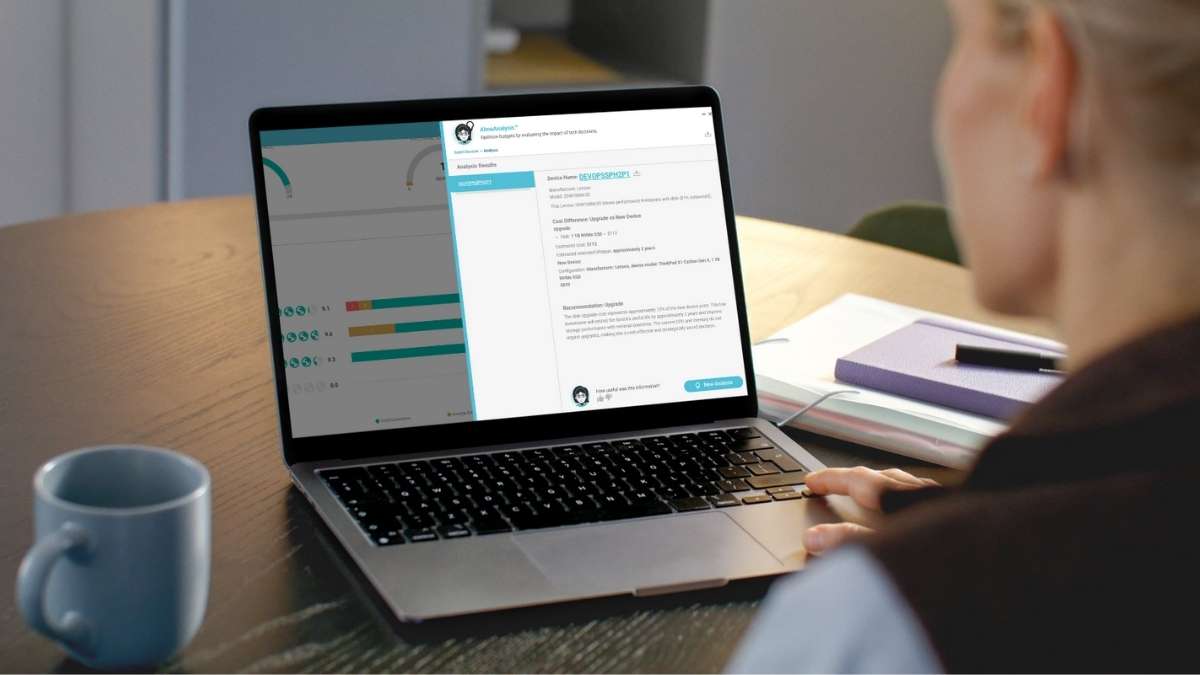
So how can organizations move from insight to action? The answer lies in combining DEX (Digital Employee Experience) with ITAM (IT Asset Management).
As Silva explains, ITAM provides the raw data—hardware, software, licenses—while DEX adds intelligence, turning that data into actionable insights. This empowers both CFOs and CIOs to make data-driven decisions, not assumptions.
For example:
“Instead of buying 1,000 new computers, we replace only 300. The remaining 700 are reassigned to roles that require lower performance.”
That’s smart budget management—allocating resources where they truly matter, optimizing costs strategically rather than simply cutting them.
A New Strategic Imperative
The Employee Digital Experience (DEX) is no longer just an IT department concern—it’s a core business strategy. As Leandro Silva highlights, DEX influences everything from revenue generation to talent retention and technology optimization.
The question for every CEO and CFO isn’t “How much does DEX cost to implement?”, but rather “How much are we losing by ignoring DEX?”
Discover how Almaden’s Digital Experience Management solution empowers companies to boost productivity, improve employee satisfaction, and drive profitability.
Schedule a Collective IQ® demo.